
Marble Countertops in Kitchen Remodeling: Classic or High-Maintenance?

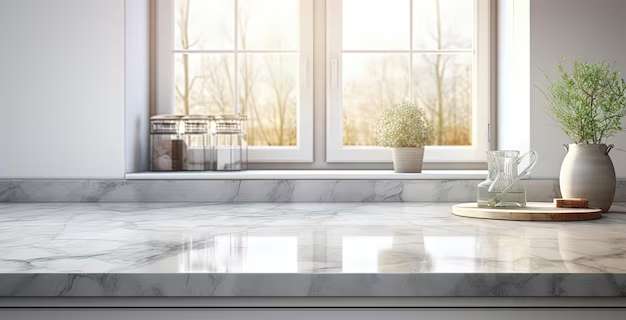
When planning a kitchen remodel, one of the most critical decisions you'll make is choosing the right countertop material. Among the many options available, marble countertops have long been regarded as a symbol of luxury, elegance, and timeless beauty. But is marble the right choice for your kitchen? While it offers undeniable aesthetic appeal, it's essential to weigh both the pros and cons to determine whether marble is the best fit for your remodeling project. This article will dive deep into the characteristics of marble countertops, their benefits, maintenance requirements, and how they compare to other materials.
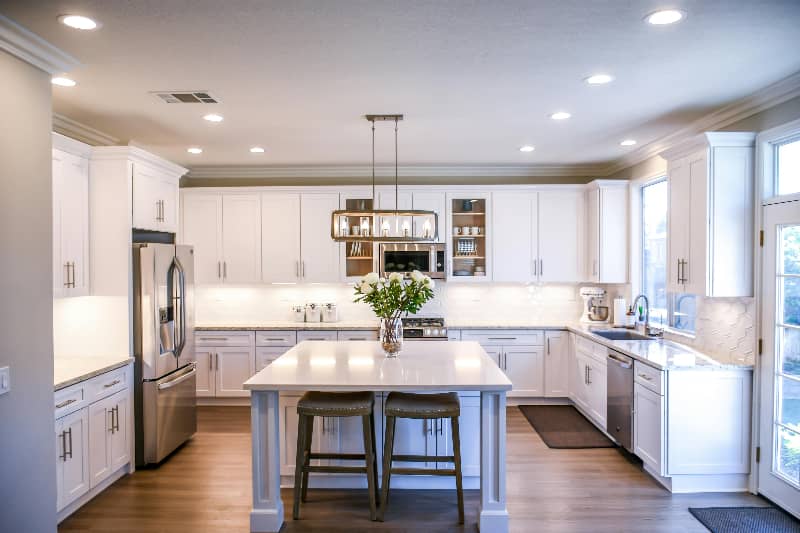
1. Aesthetic Beauty
Marble countertops are often chosen for their luxurious and timeless appearance. The natural veins running through the stone add a unique character to each slab, making your kitchen truly one-of-a-kind. Whether you're opting for a classic white marble like Carrara or a bolder, darker variety like Nero Marquina, marble exudes sophistication and elevates the entire aesthetic of your kitchen.
2. Classic and Timeless
One of the most significant advantages of marble countertops is their ability to complement a wide range of kitchen styles, from traditional to modern. The stone’s versatility makes it a favorite in both minimalist kitchens and grand, ornate spaces. Since marble has been used in home design for centuries, it has a timeless appeal that doesn't fade with changing trends.
3. Heat Resistance
Marble countertops are naturally heat-resistant, making them a popular choice for kitchens. Whether you're placing a hot pot or pan directly on the countertop or working with hot appliances, the marble surface will withstand the heat without warping or discoloring. This makes it an excellent material for people who enjoy cooking frequently.
4. Ideal for Baking
Marble has a naturally cool surface, which makes it an ideal choice for bakers. The coldness of the stone helps prevent dough from becoming too warm while kneading or rolling out, giving it the perfect texture for baking. This is one reason why pastry chefs often prefer marble surfaces for working with delicate doughs.
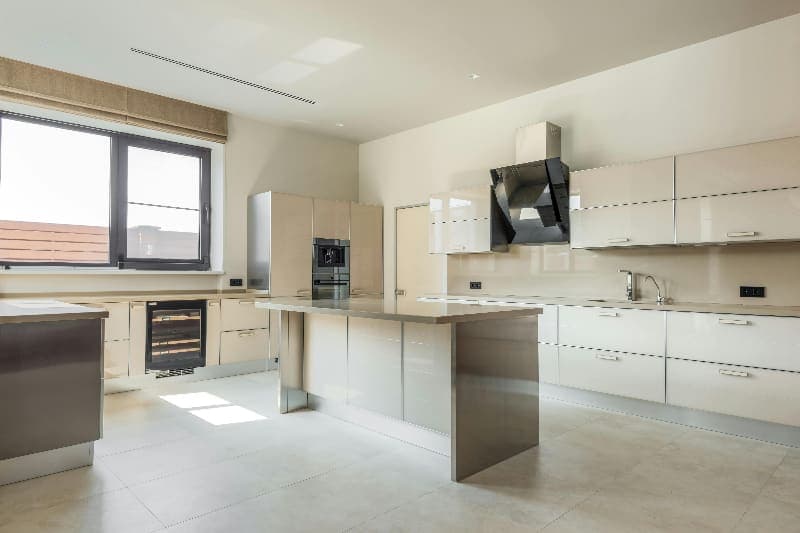
While marble countertops offer a luxurious appearance and functionality, they also come with a set of maintenance challenges that might not be ideal for every homeowner.
1. High Maintenance
Marble is a porous stone, meaning it can absorb liquids and oils if not properly sealed. This makes it susceptible to stains, particularly from acidic substances such as lemon juice, vinegar, or wine. Spills need to be cleaned promptly, and countertops must be resealed every few years to maintain their stain resistance.
2. Scratching and Etching
Although marble is relatively durable, it is prone to scratching and etching. The stone’s softness makes it vulnerable to knife marks, which may leave visible scratches on the surface. Additionally, acidic substances like lemon juice or tomato sauce can cause permanent etching, which appears as dull spots or discoloration on the marble surface.
3. Cost
Marble countertops tend to be more expensive than other materials like granite, laminate, or quartz. The cost can vary significantly depending on the quality, rarity, and source of the marble, with premium options such as Calacatta marble being particularly costly. Installation fees can also add up, making marble a more substantial investment in your kitchen remodel.
4. Maintenance Costs
In addition to the initial cost, ongoing maintenance is an important consideration. Regular sealing, cleaning, and repairs can add to the lifetime cost of marble countertops. For homeowners with a busy lifestyle, this may be an inconvenience compared to other materials like quartz, which generally requires less upkeep.
Marble Countertops vs. Other Countertop Materials
To understand whether marble is the right choice for your kitchen remodel, it’s important to compare it with other popular countertop materials, such as granite, quartz, and butcher block.
-
Granite vs. Marble: Both granite and marble are natural stones, but granite is more durable and resistant to scratches and stains than marble. Granite typically requires less maintenance, making it a better choice for busy kitchens. However, granite doesn't offer the same elegant aesthetic or cool surface that marble does.
-
Quartz vs. Marble: Quartz countertops are engineered from a combination of natural stone and resin, making them highly resistant to scratches, stains, and heat. Quartz does not require sealing and is easier to maintain than marble. However, quartz lacks the natural veins and unique appeal of marble, making it less desirable for those looking for a distinctive, luxury look.
-
Butcher Block vs. Marble: Butcher block countertops offer a warm, rustic appeal that contrasts sharply with the sleek, cool elegance of marble. However, butcher block surfaces require regular sealing and can be damaged by knives or cutting tools. Marble’s non-porous surface makes it more hygienic for food preparation but requires more care to avoid stains and etching.
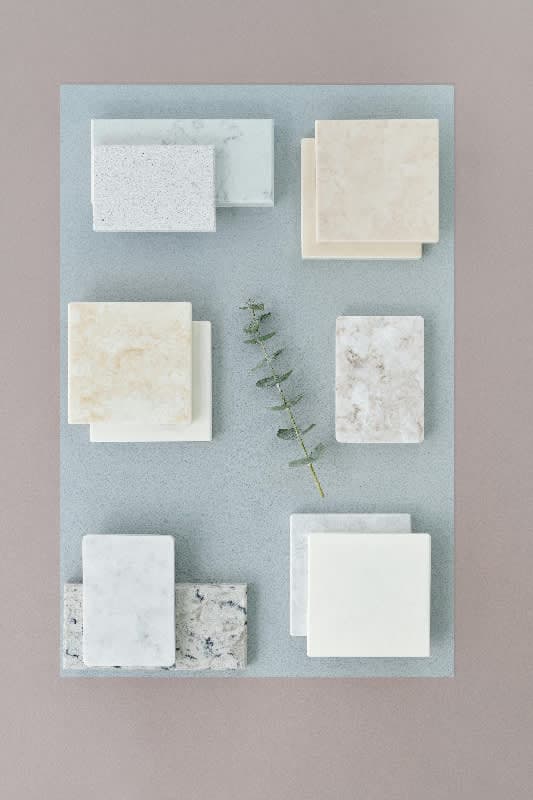
While marble requires more attention than some other countertop materials, proper care can extend its life and maintain its beauty. Here are some tips for keeping your marble countertops in top shape:
- Seal Regularly: To reduce the risk of stains, seal your marble countertops every 6 to 12 months using a high-quality stone sealer.
- Clean Spills Promptly: Clean up any spills immediately to prevent staining, especially from acidic substances like citrus, vinegar, and wine.
- Avoid Harsh Chemicals: Use a mild, pH-neutral cleaner for regular cleaning. Avoid abrasive scrubbing pads, as they can scratch the surface.
- Use Cutting Boards: To prevent scratches and etching, always use cutting boards and trivets when working with knives or hot pans.
- Buff Out Etches: If your marble countertop becomes etched, buff it out with a special marble polishing compound or hire a professional to repair it.
Is Marble Right for Your Kitchen Remodel?
Marble countertops are a beautiful and classic option that can elevate the look of any kitchen. Their timeless appeal, unique veining, and heat resistance make them a favorite among homeowners seeking a luxurious and sophisticated aesthetic. However, marble does come with high maintenance requirements, including the need for regular sealing, prompt cleaning, and careful handling to prevent scratches and etching.
If you're someone who values beauty and is willing to put in the time and effort for upkeep, marble can be an excellent choice. But if you prefer a low-maintenance, highly durable surface, you may want to consider alternative materials like granite or quartz. Ultimately, whether marble is the right material for your kitchen remodel depends on your personal style, budget, and willingness to maintain its pristine condition.